
Boulder County Arrest Records and Court Charges
Boulder County arrest records can include law-enforcement arrest details, jail booking data, investigative records, and related sheriff records. Charge information can also appear in the jail listing when a person is in custody, but the court charge record begins when prosecutors file formal counts with the court. After that filing, the court record tracks the complaint or information, charge changes, advisement, bond, pleas, motions, disposition, sentence, probation, restitution, and sealing limits.
The sheriff side and the court side should not be merged. The jail listing can show booking number, jail ID, name, booking time, charge text, arresting agency, court date, and bond amount. The court charge record shows what was filed and how the case changed. Current custody and booking detail belong with the Boulder County inmate records path, while the full case file and final outcome belong with Boulder County criminal court records.
The assigned image from the Boulder County Sheriff Records Section supports the sheriff records request path for arrest and investigative records.
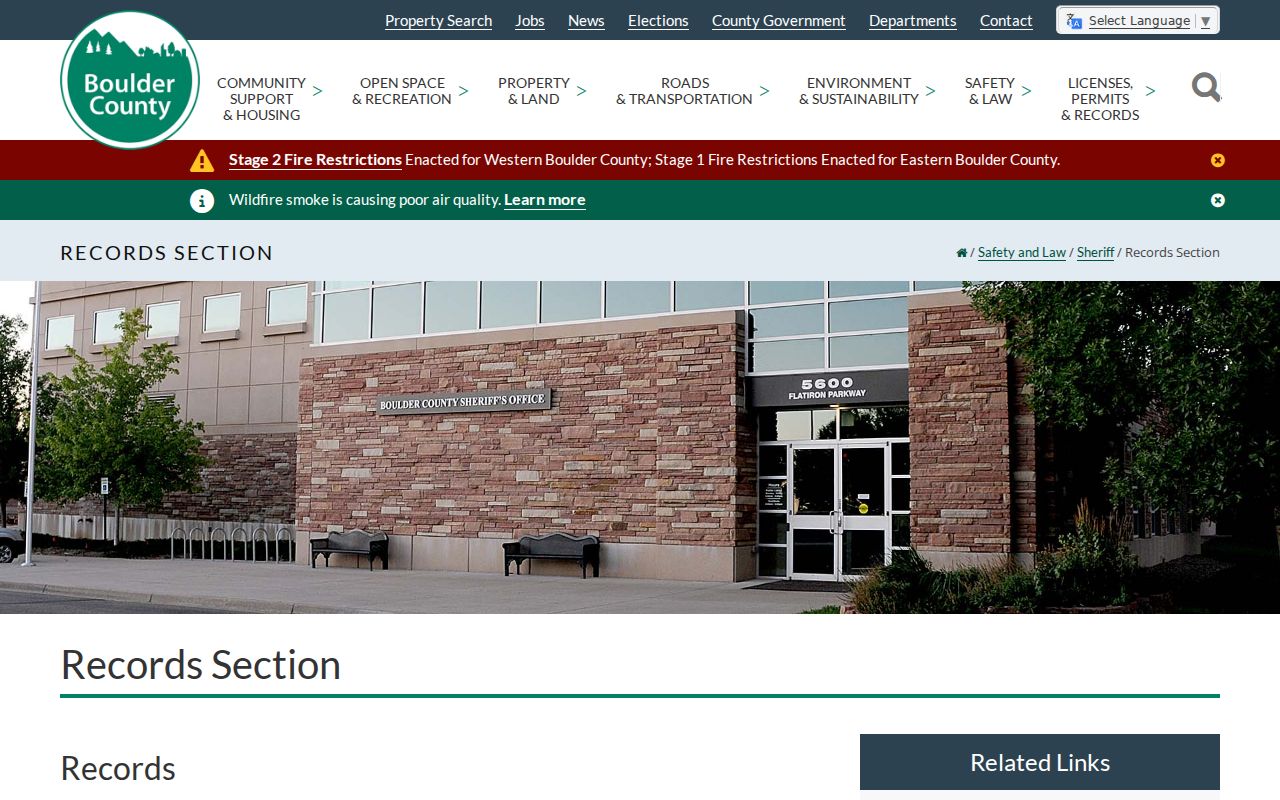
Sheriff records requests are the fallback when the needed arrest record is not visible through a current jail or court search.
How to Find Boulder County Arrest Records and Charges
Use two tracks for Boulder County arrest records and court charges after arrest. For court charges, start with the Colorado Judicial Branch docket search and identify the criminal case by name, case number, date, court, or case class. For arrest or investigative records, use the Boulder County Sheriff Records process and the official Records and CAD request form. For current custody, the jail listing can show charge and bond fields, but older booking information should be requested from Sheriff Records.
- Check whether the need is an arrest or booking record, a filed court charge, or the full criminal case file.
- Use the state docket search for filed charges and court dates in District Court or County Court.
- Use Sheriff Records for arrest reports, jail records, investigative records, CAD, mugshots, or body-worn camera footage.
- Read each charge line with the case events because a count may be amended, reduced, dismissed, or resolved later.
- Ask the court Research Department for copies when the online docket identifies the case but not the document.
The Sheriff Records Section cites criminal justice records laws and lists a staff time charge for research and retrieval. It also requires the requester to complete the proper form and include a signed statement that records will not be used to directly solicit business for financial gain. Do not prepay unless staff directs payment.
The manifest image from the official Sheriff Records and CAD request portal supports this request-channel fallback.
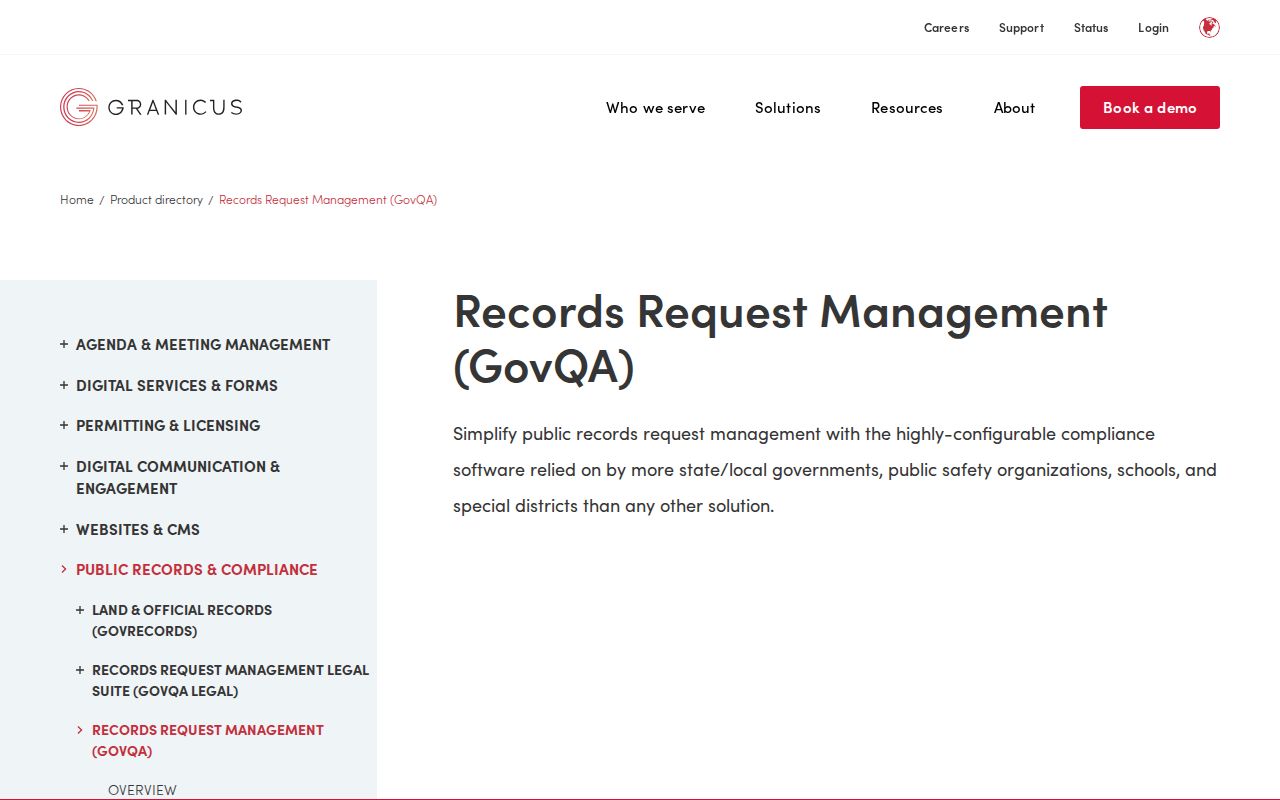
That portal is the documented official route for sheriff-held records when a court case search is not enough.
Boulder County Charges After Arrest
Charges after arrest are filed by the prosecution, not by the jail roster. The arrest can lead to booking and bond, but the criminal court charge record starts with a charging document filed in the correct court. Misdemeanors are generally handled in County Court. Felony prosecution is handled in District Court, although early felony complaint activity may appear before transfer or further filing. One arrest can produce more than one count, and later filings can change the original charge list.
| Complaint | Information | Indictment | |
|---|---|---|---|
| Filed By | Officer or prosecutor, depending on case path. | Prosecutor. | Grand jury. |
| Common Role | Starts or supports many misdemeanor and early criminal filings. | Common felony charging document. | Used when a grand jury returns charges. |
| Where It Appears | Court case file and docket events. | District Court criminal file. | District Court criminal file. |
| What To Check | Charge text, case class, advisement, and next hearing. | Filed counts, amendments, motions, and disposition. | Indicted counts, arraignment, motions, and final outcome. |
The assigned image from Boulder County court-related services supports the local split between county court, municipal court, and related criminal or traffic roles.
Venue matters because a municipal charge and a state court charge are not searched through the same court channel.
Boulder County Charge Status
A Boulder County charge record should be read as a timeline. A charge may be pending at first appearance, amended after review, reduced by plea negotiation, dismissed by court order or prosecution decision, or resolved by conviction, diversion, deferred judgment, or acquittal. A court date or bond entry does not prove guilt. The disposition and sentence entries show the result.
| Status | What It Means |
|---|---|
| Pending | The filed charge is still open or awaiting the next court event. |
| Amended | The prosecution changed the filed count, language, statute, or severity. |
| Reduced | The charge was lowered to a different or lesser count, often as part of case resolution. |
| Dismissed | The charge was terminated and should not be treated as a conviction. |
| Deferred Judgment | A plea and supervision path that may end in dismissal if conditions are completed. |
| Diversion | A supervised alternative to ordinary prosecution or conviction, often handled through DA program rules. |
The source image from Boulder County booking and bond definitions supports the bond context that may appear near charges after arrest.
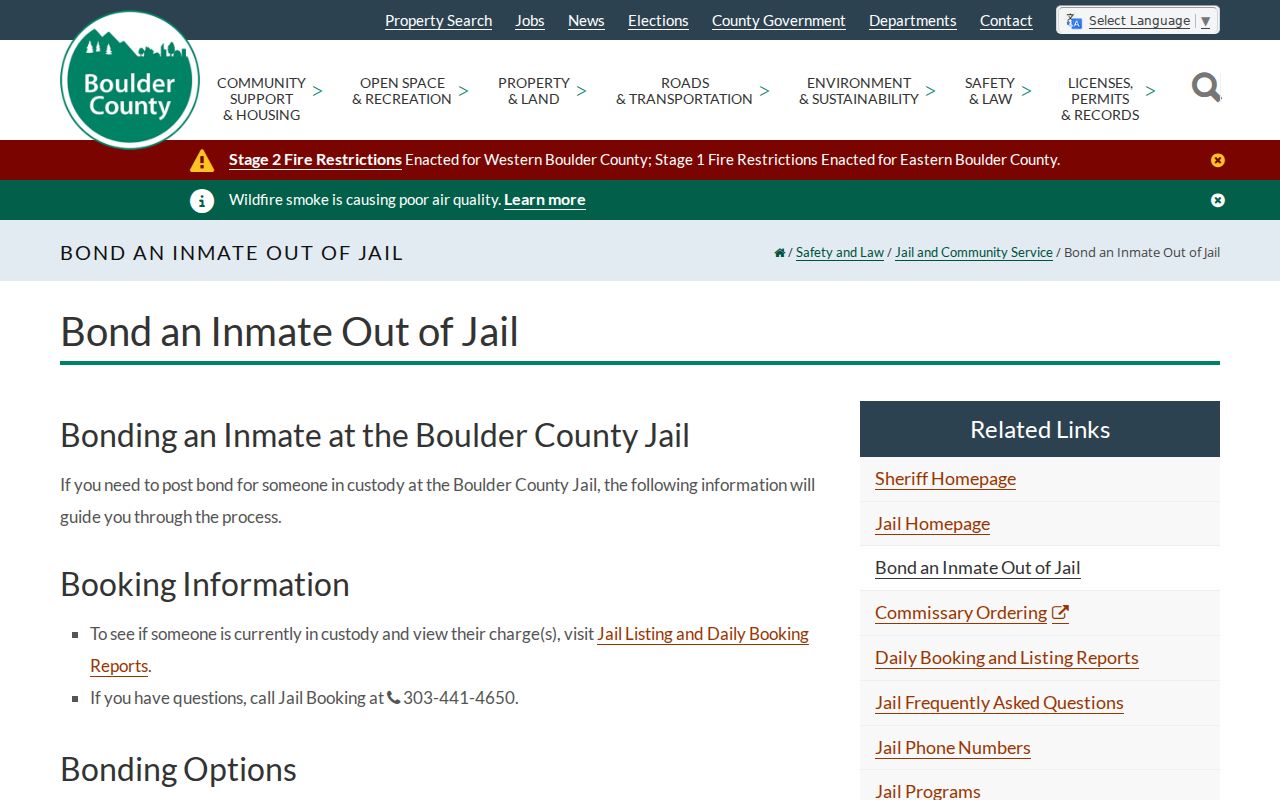
Bond fields help explain custody status, but they do not show whether a filed charge ended in conviction.
Boulder County Charges vs Convictions
Charges and convictions serve different roles in Boulder County arrest records and court charge records. A charge is what the prosecutor or charging authority filed. A conviction is the outcome after a guilty plea, verdict, or other qualifying judgment. The charge may remain in a public case history even when it was later dismissed, reduced, or resolved through diversion or deferred judgment.
| Charge | Conviction | |
|---|---|---|
| Stage | Filed accusation in the court case. | Final or current adjudicated outcome. |
| Record Clue | Charge text, statute, severity, and amendments. | Disposition, plea, verdict, sentence, and closure entries. |
| Can Change | Can be amended, reduced, added, or dismissed. | Can be affected by appeal, correction, sealing, or post-conviction order. |
| How To Verify | Read the full charge history. | Read the disposition and sentence fields. |
Boulder County Sealed Charge Records
Colorado sealing law can limit public access to some arrest, non-conviction, diversion, deferred judgment, and conviction records. Juvenile records are heavily restricted. Protected personal identifiers, victim data, protected addresses, medical information, and some ongoing investigative records can also be withheld. A sealed record may still be available to courts, law enforcement, prosecutors, or authorized agencies.
| Sealed | Expunged | |
|---|---|---|
| Public Visibility | Hidden from general public search or inspection. | Removed or destroyed in narrower qualifying contexts. |
| Government Access | May remain available to courts, prosecutors, law enforcement, or authorized agencies. | Depends on the statute and court order. |
| Colorado Use | Common route for many eligible adult criminal records. | Used more narrowly than sealing. |
| Local Filing | 20th Judicial District Clerk's Office for Boulder County court cases. | Depends on case type, agency record, and statutory path. |
Boulder County Charge Codes
Charge codes tie the court charge to a statute, ordinance, or case class. Boulder County felony cases are District Court matters, while state misdemeanors and many traffic matters are County Court matters. Municipal ordinance and municipal traffic charges belong to the city court. One arrest may produce several separate counts, each with its own charge text, severity level, hearing path, and disposition.
When a charge code is unclear, check the court case number and case class before assuming the venue. CR often points to criminal District Court, M to misdemeanor, T to traffic, and municipal citations may follow city court formats. For state court charges, the docket and court record provide the path from accusation to outcome.
Statewide Charge and Criminal History Lookups
Boulder County charge records should not be confused with statewide criminal history products. A court case record shows filed charges and court events in a specific case. Sheriff records show agency-held criminal justice records such as arrest or investigative material. Colorado court access rules, the Criminal Justice Records Act, and sealing statutes all affect what can be released. For public defender context, the statewide Colorado State Public Defender system has regional trial offices, including the Boulder office named in the research.
The assigned image from the Colorado Public Defender statewide offices supports the statewide defense-office structure that may appear in charge and case records.
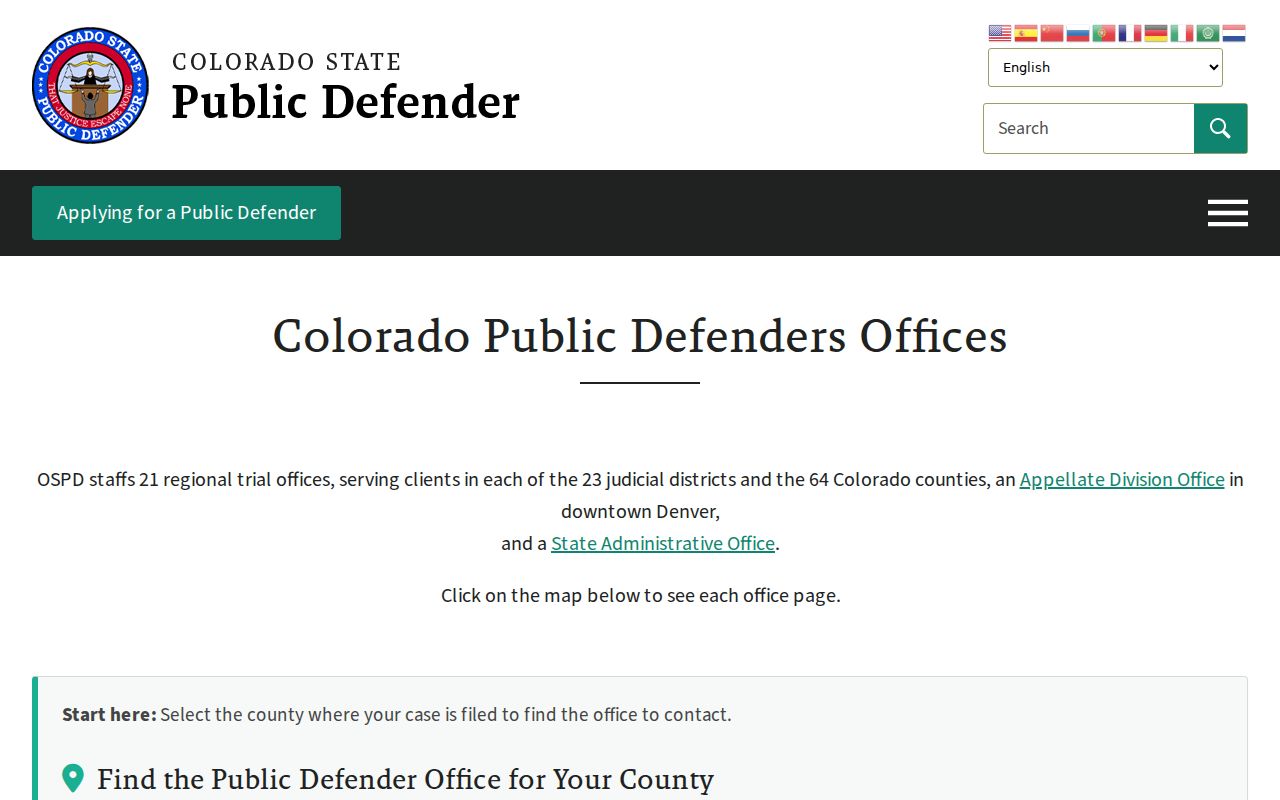
Defense office information may help interpret counsel fields, but it is not a criminal history database.
Background Check Considerations
A Boulder County arrest record or charge record is not the same as a regulated background report. Arrest records may show contact with law enforcement. Court charge records may show filed counts that later changed. Criminal court records may show the final disposition and sentence. Any employment, tenant, credit, insurance, or other regulated use should rely on legally compliant sources and should verify the case with the originating custodian.
Important: A charge after arrest is not proof of conviction unless the court disposition shows that outcome.
Restricted Charge Records in Boulder County
Restricted Boulder County charge records can include juvenile charges, sealed cases, protected victim information, protected addresses, confidential personal identifiers, medical information, adoption-related data, mental health material, and records withheld by statute, court rule, court order, or public-interest review. Sheriff investigative records and body-worn camera records use the sheriff request channel and may be redacted or denied under criminal justice records rules. Court records use the 20th Judicial District access path.